@ahmetcantryk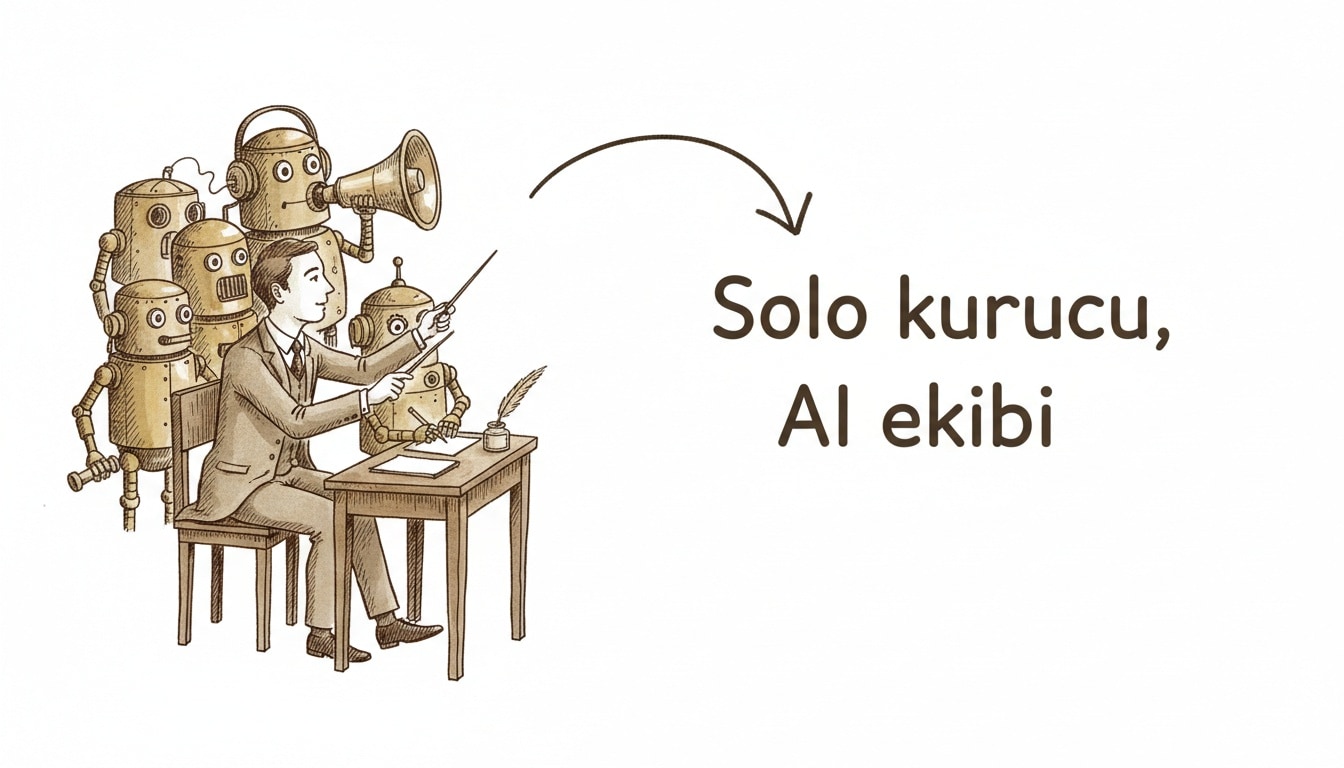
In 2024, Sam Altman described a betting pool in his group chat with tech CEO friends: which year would produce the first one-person billion-dollar company, enabled by AI. Most people wrote it off as Silicon Valley hyperbole. Two years later, the prediction no longer sounds unreasonable — it sounds inevitable. Asked the same question at Anthropic's developer conference in May 2025, Dario Amodei answered in one word: "2026," giving it 70-80% odds.
This article looks under the hood of that narrative: the AI stack that lets one person do the work of an entire team, the revenue numbers real founders are actually posting, and the wall the solo model keeps hitting.
Why the solo business exploded in 2026
The numbers frame the shift clearly. There are roughly 29.8 million solopreneurs in the US, contributing an estimated $1.7 trillion to the economy — about 6.8% of total GDP. More than 36% of new ventures in 2026 are solo-founded, and 77% of solopreneurs reach profitability in their first year.
The trigger is a collapse in the cost structure. As Fortune reports, solo founders now delegate the work of whole departments to AI agents. Capabilities that once required a 5-10 person team — content, customer support, bookkeeping, design, automation — can be covered today by a tool stack costing $75-150 a month. That is a 95-98% reduction versus hiring the equivalent staff. The result: operating margins climb from the 10-20% typical of staffed businesses to 60-80% for a solo operation.
Real founders, real numbers
The model is proven in revenue dashboards, not in theory:
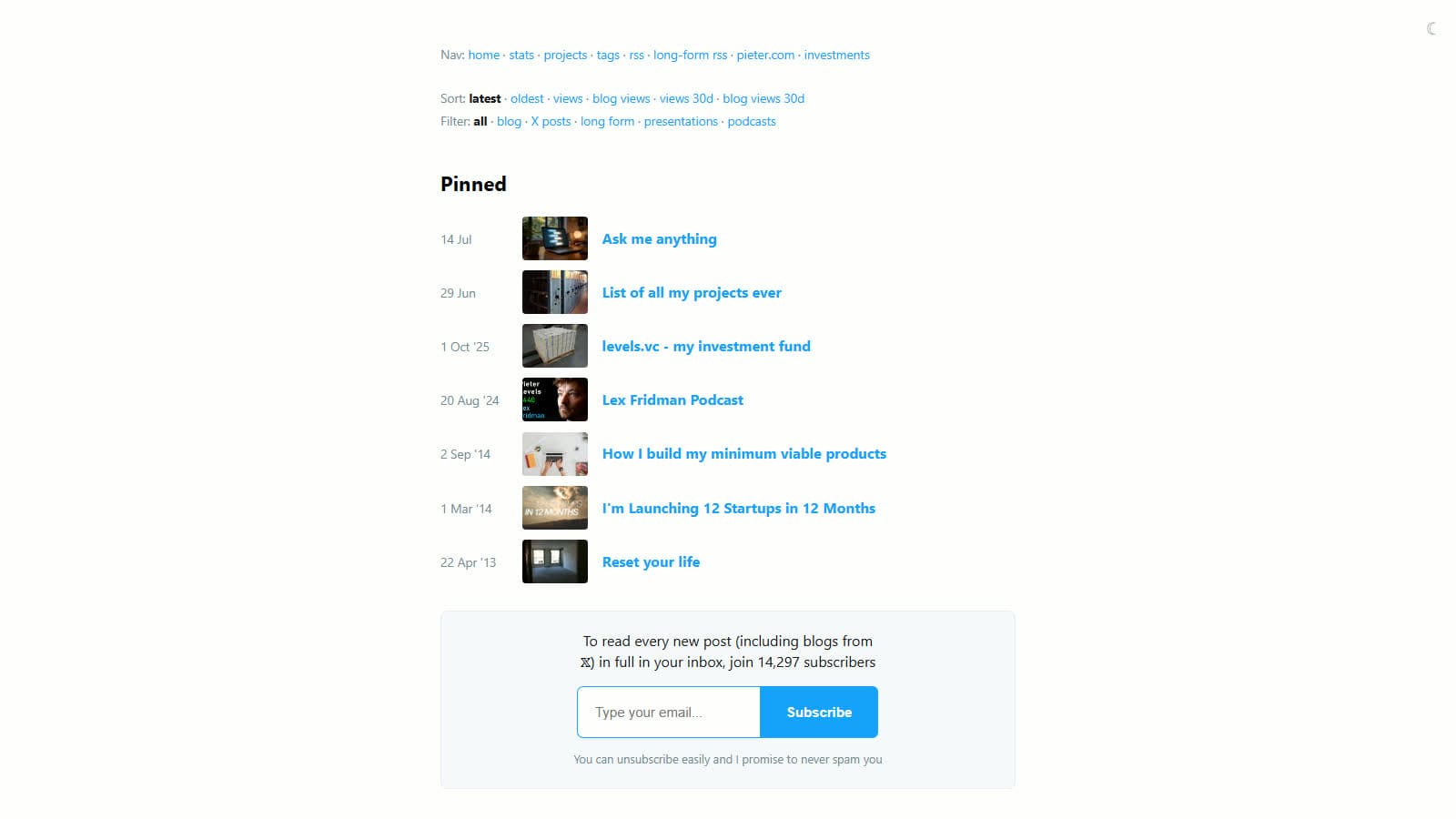
- Pieter Levels still runs zero employees, with a portfolio (Photo AI at ~$132K/month, RemoteOK at ~$41K/month, Nomad List and others) at $3.1-3.5M ARR. He built fly.pieter.com, a browser flight sim, with Cursor and Three.js, and hit $1M ARR in 17 days.
- Danny Postma's HeadshotPro generates $3.6M in annual recurring revenue as a one-person operation.
- Maor Shlomo's Base44 reached 250,000 users and profitability in six months, then sold to Wix for $80M in June 2025.
What these have in common is delegating most of the coding and support to a "digital workforce." By Levels' own account, AI handles roughly 95% of his work. On the distribution side, a 600K-follower audience built over a decade does the heavy lifting — each revenue-dashboard post is content and marketing at once.
The solo AI stack, layer by layer
A stack that keeps a solo business running splits into four functional layers: marketing and content, customer relationships, operations automation, and product development. The table below shows a typical 2026 setup with realistic monthly costs.
Area | Example tool type | Approx. monthly cost |
|---|---|---|
General reasoning / assistant | Claude Pro, ChatGPT Plus | $20-40 |
Content and marketing | Text-generation LLM + design tool | $30-60 |
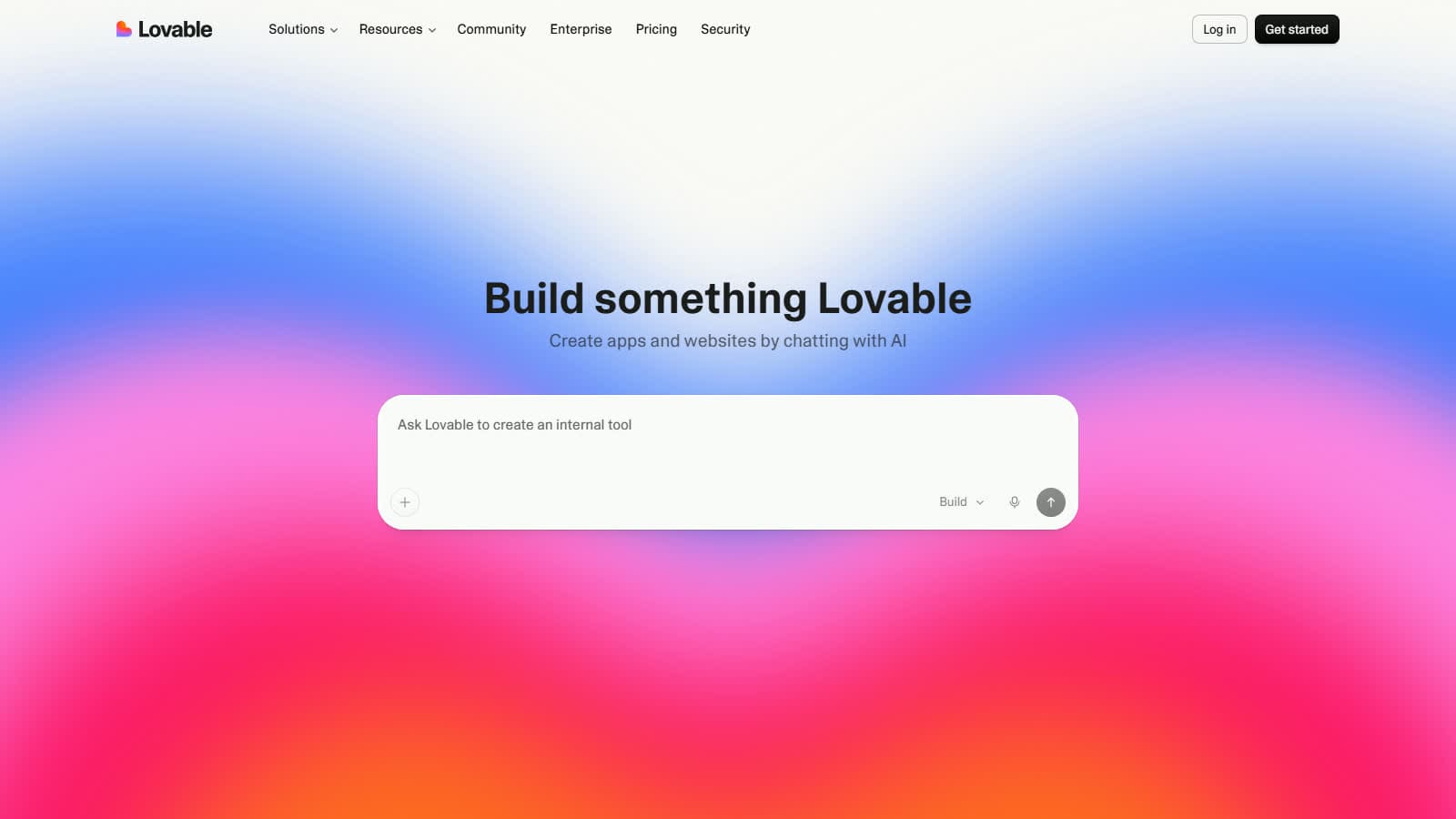
Product development (no-code/AI) | Lovable, Cursor-style tools | $20-50 |
Workflow automation | n8n, Zapier-style | $20-50 |
Customer support | AI support bot / help desk | $15-40 |
Hosting and infrastructure | Cloud / edge platform | $10-40 |
The total usually lands at $75-150 a month, or $3,000-12,000 a year. The key point: what matters is covering the layers, not the brand of any single tool. For how to pick the underlying model, we broke down the most popular AI tools of 2026 in detail.
Marketing and content layer
Content is where solo founders lose the most time. In 2026 an LLM drafts a blog post in minutes; the founder edits only for voice and accuracy, taking a publication-ready piece under two hours. On social, one long-form asset can spawn dozens of short posts — we walked through building that exact workflow in how to use Claude for social media.
Automation and operations layer
The real leverage is making repetitive work invisible. An automation tool like n8n takes over classifying inbound email, processing invoices, and onboarding new customers. Research suggests AI tools can automate 10-40% of a solo business's daily workload, reclaiming more than 20 hours a week. Poured straight into product and distribution, those hours are what actually bring one person's output close to a team's.
Development layer
For a founder with an idea but no developer, tools like Lovable are the starting point: you describe what you want in plain English and get a working web app. Experienced founders instead run Cursor-style AI editors to speed their own coding by 10x. For anyone trimming infrastructure cost, most paid SaaS has an open-source equivalent — we collected the options in open-source SaaS alternatives for 2026.
Distribution is the real moat
Because the AI stack is public and cheap, the competitive edge is no longer in the tools — it's in distribution. Building a product solo stopped being a technical problem in 2026; the real question is who will hear about it. The true engine behind Pieter Levels' $3M portfolio isn't Cursor, it's the 600K audience he built over a decade. Someone shipping the same product to zero followers gets a very different outcome, even doing technically identical work.
The practical takeaway: a solo founder should start building the distribution channel long before perfecting the product. A build-in-public approach does double duty here — gathering feedback and forming an audience months before launch. AI can produce a product in a day, but trust and audience are still assets that accrue over time. That's the most underestimated truth of the one-person business: the machine speeds up production, not other people's willingness to trust you.
Focus is another dimension. A staffed company can run five ventures in parallel; one person can't. So solo founders tend to operate on a portfolio logic: ship small, quickly validated products, grow the ones that stick, and shut down the rest fast. Levels testing 40+ products and turning a few into revenue is exactly this strategy. The hit rate is low, but the cost is so low that a single hit carries the whole portfolio.
Where the model hits a wall
The shadow side deserves as much attention as the shine. As Fortune stresses, going it alone has limits. The three most common walls:
- Cognitive load. AI may be doing the work, but directing every agent, reviewing output, and setting strategy still falls on a single brain. The more you automate, the heavier the "conductor" burden becomes.
- Trust and sales. Enterprise buyers still want to see a team of humans behind the product. Large deals are exactly where a one-person structure struggles most.
- Hallucination and quality risk. Unreviewed AI output can damage a brand directly, so solo founders can't drop the review discipline — which is precisely why the debate over whether AI actually speeds you up matters; we examined it in does AI really make developers faster.
Forbes' "billion-dollar company of one" analysis strikes the same balance: the technology is ready, but distribution, trust, and resilience remain human work. As Fast Company asks, the question of how close the first solopreneur unicorn is isn't technical but organizational: how much scale can one person carry?

A practical start: the first 30 days
If you're starting from zero, trying to stand up every layer at once is the most common mistake. A suggested order:
- Week 1 — One assistant. Pick a general reasoning tool (Claude or ChatGPT) and move your daily work into it. Everything else builds on top.
- Week 2 — Distribution. Start sharing in a build-in-public style even before the product is polished. Levels' decade-long audience wasn't built in a day.
- Week 3 — Automation. Hand your first repetitive task (support email, invoicing) to an automation flow.
- Week 4 — Cost review. Audit token and subscription spend; we gathered concrete ways to lower model cost in how to cut LLM token costs.
My take: success in a one-person business comes less from using the fanciest tool and more from automating the most boring task the earliest. Tool choice is the easy part; the hard part is deciding which work to hand to the machine and which work still needs your own eyes.
Frequently Asked Questions
Is a one-person billion-dollar company really possible?
There's no confirmed example yet, but figures like Altman and Amodei point to 2026 with high odds. The more realistic near-term target is millions in annual revenue from a single person — already proven by founders like Pieter Levels and Danny Postma.
Does the solo AI stack really fit in $150 a month?
For a core setup, yes. A general assistant, a design tool, an automation platform, and hosting keep most solo businesses in the $75-150 monthly band. Token and infrastructure costs rise as usage scales, but still stay far below a single salary.
Where do I start with no technical background?
Begin with no-code/AI tools like Lovable, building an app in plain language. Ship a working product without code and test the market; technical depth only becomes necessary once the product gets traction.
What is the biggest risk?
Unreviewed automation and the cognitive load landing on one person. Publishing AI output without review can hurt your brand. For more strategy, browse our business and startups category.