@ahmetcantryk
A developer's laptop, a credit card, and a couple of AI subscriptions. In 2026, the shopping list for launching a "startup" has shrunk to roughly that. We are in an era where founders who can barely code ship revenue-generating products in three weeks, and one-person teams reach five or six figures a month. But there is plenty of hype and survivorship bias baked into that picture. In this piece we will put real, numbered maker stories on the table, then extract a concrete roadmap that runs from idea to your first paying customer.
Let's set expectations first: according to Indie Hackers data, roughly half of Stripe-connected products generate zero revenue, and most micro-SaaS products stay under $1,000 a month. So the stories below are examples of the exception, not the rule. Still, studying exceptions is the fastest way to see which patterns actually work.
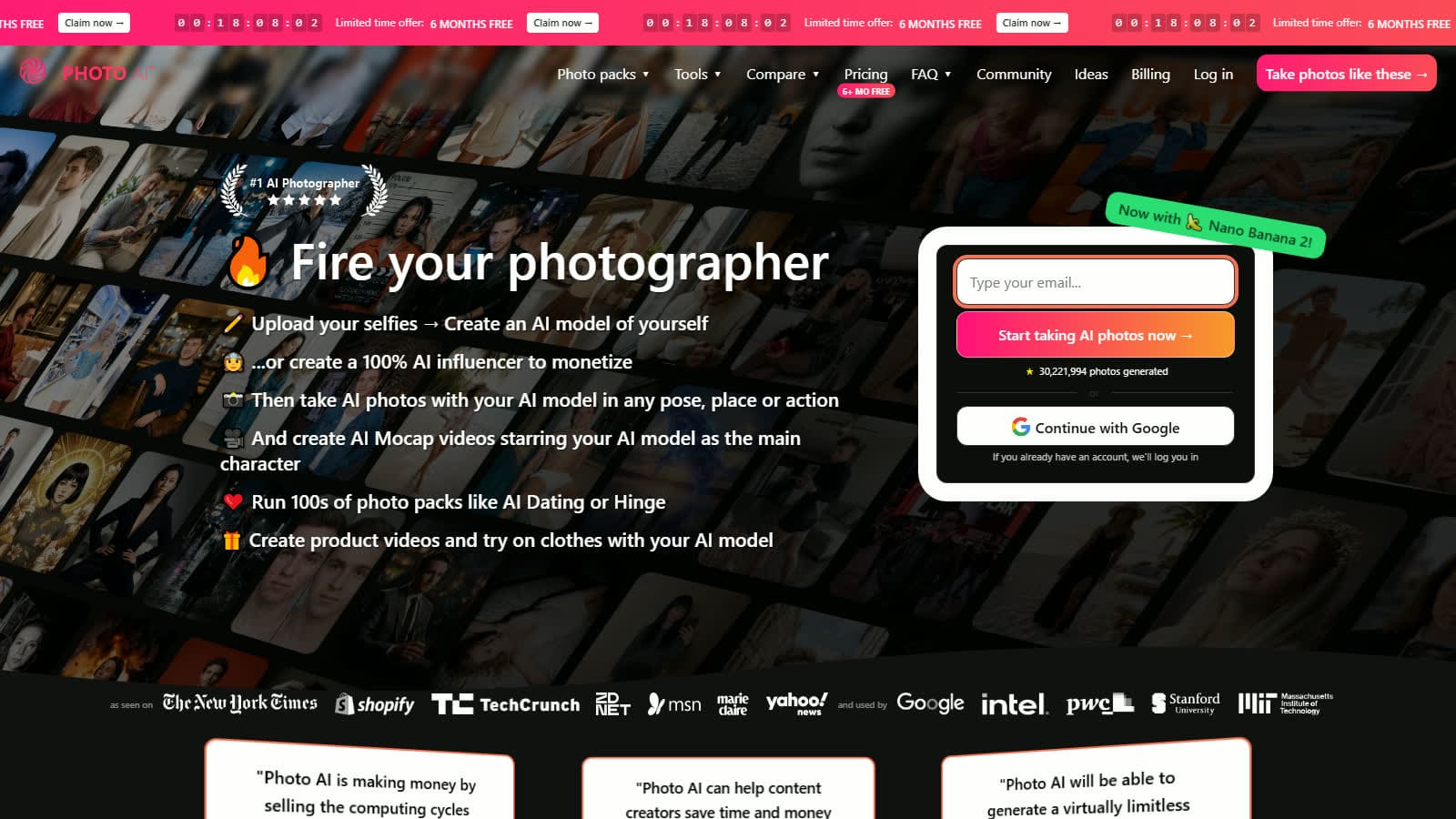
Pieter Levels: $130K a month with PHP, jQuery and stubbornness
The most talked-about name in micro-SaaS is Pieter Levels. In February 2023 he shipped an AI photo studio called Photo AI entirely solo; the tagline was blunt: "Fire your photographer." The product turns a few uploaded selfies into professional-looking portraits.
The numbers tell the story: about $5,400 in monthly revenue in week one, $28K by month two, and north of $60K by month six. According to the Indie Hackers case study and his public revenue pages, the product reached roughly $132-138K a month by late 2025, an annual run rate around $1.6 million. The most striking part is the cost side: monthly expenses run about $13K, mostly model API fees, which puts net margins above 85%.
And the tech stack? Nothing fashionable. Vanilla PHP, jQuery, and a single-file SQLite database. Levels' philosophy is to take the problem seriously, not the tooling. He increasingly describes his 2026 workflow as "vibe coding," using AI to spin up prototypes and iterate at light speed. We covered the disciplined version of that approach in our spec-driven development guide.
But the real lesson isn't technical. Levels launched this product into an audience of 600,000-plus followers he had spent a decade building; half his traffic comes straight from X/Twitter. So the footnote under "product in three days, $20K in week one" is ten years of audience-building labor.
Danny Postma: $300K a month with an SEO engine
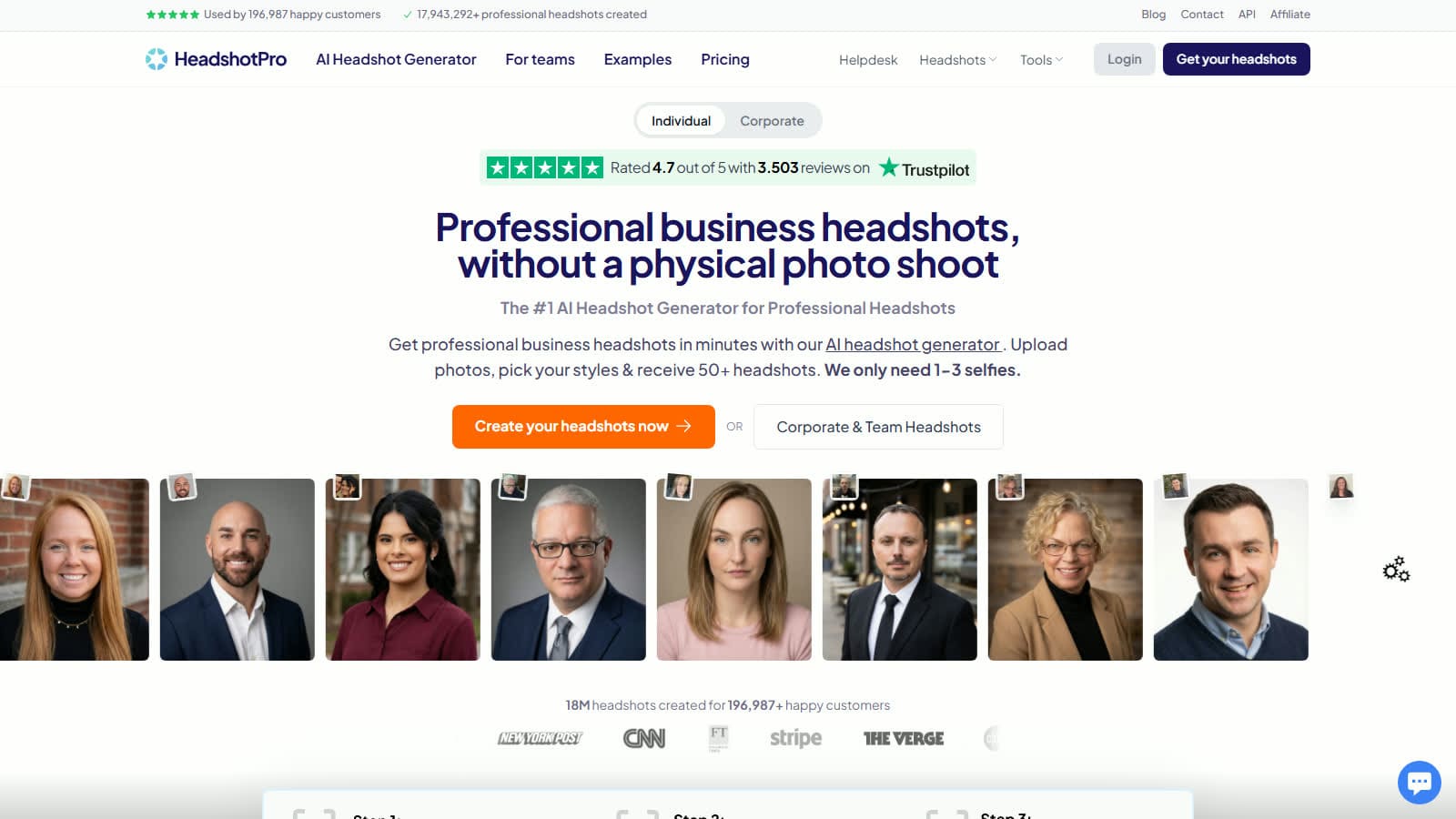
Dutch indie hacker Danny Postma's story shows a different lever: search engine optimization. After selling his AI writing tool Headlime for a seven-figure sum in eight months, he built an AI headshot generator called HeadshotPro. According to Starter Story's breakdown, the product reached $300K a month in revenue and over 196,000 customers within a year of launch.
Unlike Levels, Postma's growth rested on content and SEO rather than social media. He built pages targeting high-intent searches like "AI headshot" and "linkedin photo," and lifted average order value with corporate team packages. The lesson: your distribution channel is as strategic a decision as your product. If you don't have an audience, picking a niche with clear search intent is the healthiest alternative.
Tony Dinh: sitting down the day the API dropped
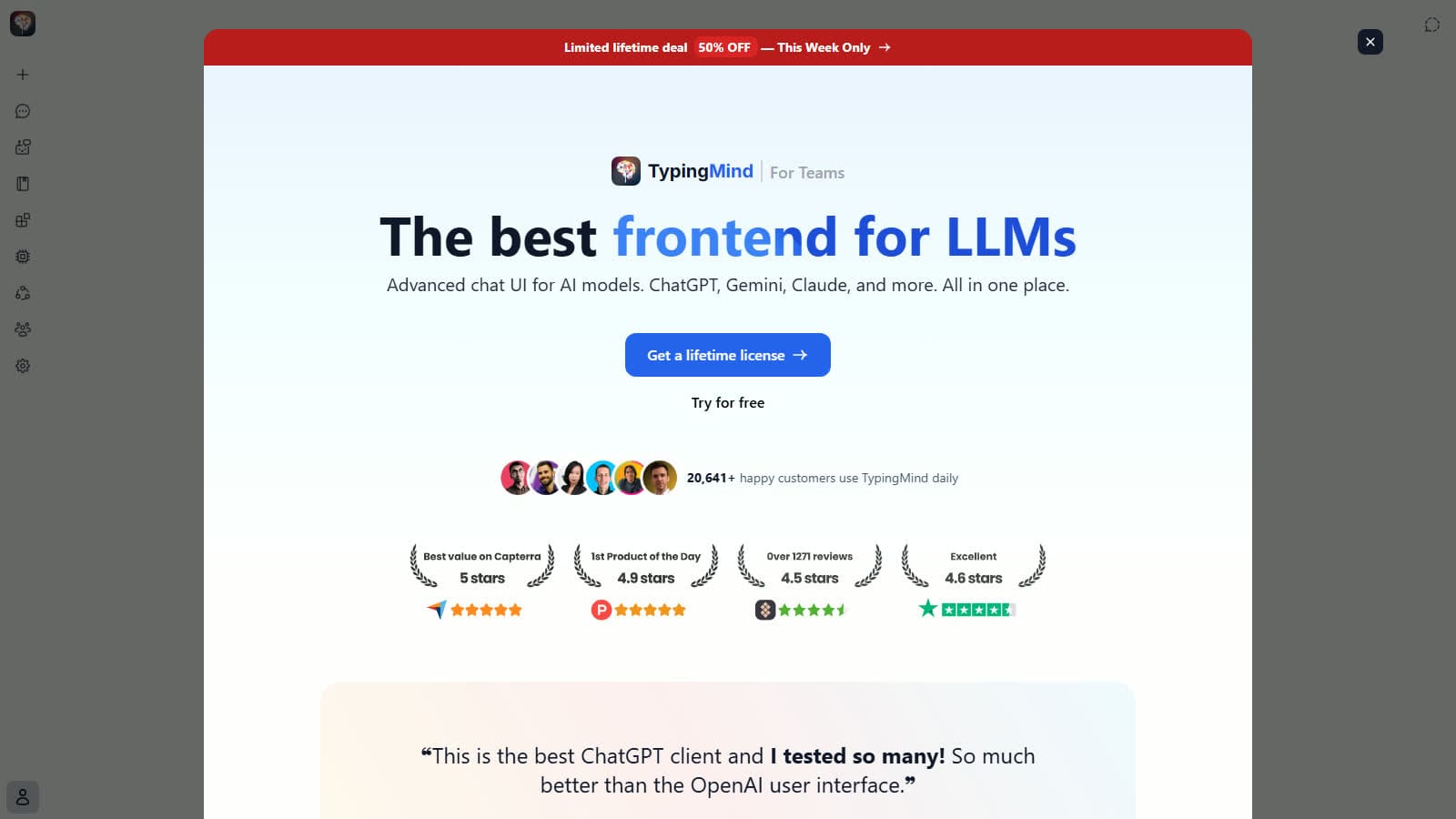
Vietnamese developer Tony Dinh's TypingMind story is a lesson in speed. When the ChatGPT API was announced in March 2023, Dinh shipped an interface adding features missing from the official app (chat history search, folders, a prompt library, faster responses) in just five days. He made $22K in the first seven days, reached $1 million total after 20 months, and shipped 171 updates in the first 12 months. His side product DevUtils brings in another $5,500 a month.
The pattern here is clear: when a new platform or API ships, the official product's first version always has gaps. Whoever fills that gap first grabs the distribution advantage. Dinh could code, but what he really won was timing.
Braden Dennis: an AI-native data product
The fourth story is a slightly more "serious" example. Fiscal.ai (formerly FinChat), built by Braden Dennis, is an AI-native product that delivers financial data as a service. Per public disclosures, it reached mid-seven-figure annual revenue, north of $400K a month, and did it with zero ad spend through product-led growth and direct sales.
Fiscal.ai's lesson: AI doesn't just enable "fun consumer toys," it enables serious B2B data products too. When you position AI as the core layer processing the data itself rather than a bolt-on feature, your pricing power changes entirely.
Shared patterns: the math behind the stories
Collecting the common threads in a table helps separate coincidence from strategy.
Maker | Product | Approx. MRR | Main distribution channel |
|---|---|---|---|
Pieter Levels | Photo AI | ~$132K | X/Twitter audience |
Danny Postma | HeadshotPro | ~$300K | SEO and content |
Tony Dinh | TypingMind | ~$83K | Early timing, community |
Braden Dennis | Fiscal.ai | ~$400K | Product-led growth + sales |
Three shared themes emerge. First, each solves a single clear problem; nobody built an "everything platform." Second, distribution was designed alongside the product; the audience, SEO, or timing was no accident. Third, high margins: AI APIs are a variable cost, but in a well-priced SaaS that cost stays a small percentage of revenue.
Idea to first customer: a step-by-step roadmap
Now let's turn the patterns from these stories into an actionable plan: a six-step route from weekend project to first paying customer.
Step 1 — Start with your own pain. The most durable micro-SaaS ideas grow from a frustration the founder actually lives with. Tony Dinh started from the gaps in the ChatGPT interface he used himself. If you solve a problem you already understand, you've done half the customer research for free.
Step 2 — Cut the scope ruthlessly. One user, one task, one outcome. "AI photos" is narrow enough; "an AI platform for editing every kind of media" is not. Narrow scope ships faster and is easier to explain.
Step 3 — Set up the proven stack. The standard 2026 solo stack is well established: Cursor and Claude Code for code, Supabase for backend and database, Vercel for hosting, and Stripe for payments. This combination lets you run a one-person operation for a few hundred dollars a month. We covered how to frame AI tools around productivity in our developer productivity with AI guide.
Step 4 — Ship a working MVP within a week. The goal isn't perfection but the minimum flow that gets your first user a real result. AI-assisted coding shines most here, shrinking the prototype loop from days to hours. You can find a current shortlist of tools suited to this in our most popular AI tools piece.
Step 5 — Build distribution alongside the product. This is the step most makers skip. If you have an audience, launch from it; if not, pick a niche with search intent and start producing content from day one. The "I built it but nobody knows" graveyard is full of products with no distribution plan, not bad products.
Step 6 — Ask for money from day one. Free user counts aren't validation. Real validation is someone pulling out a credit card. Keep the price low and test early; your first ten paying customers teach you more than a thousand free users. Raising prices later is easier than breaking a free-forever habit.
Reality check: why most projects fail
Reading these stories and thinking "I'll make $20K in three days too" is precisely the trap. The successful examples carry invisible costs: Levels' decade-old audience, the experience and capital Postma carried from his prior exit, Dinh's technical speed. These makers didn't succeed "overnight"; they caught the right moment after years of trying.
The practical takeaway: your first product probably won't land, and that's normal. What matters is strengthening your distribution muscle, audience muscle, and product intuition with every attempt. Micro-SaaS isn't a lottery, it's a repeatable craft. AI made the prototype part of that craft cheaper, but distribution, pricing, and patience are still your job. For more entrepreneurship content, browse our business and startups category.
Frequently Asked Questions
Can you build an AI micro-SaaS without knowing how to code?
Partly. AI tools have dramatically eased the prototype stage, and founders with no programming background are shipping revenue-generating products. But basic technical understanding around payments, security, and scaling still makes a difference. The healthiest path is to start with AI and learn the core concepts along the way.
How long does it take to reach the first paying customer?
The stories can mislead; examples that see revenue in days are the exception. A realistic target is reaching your first paying customers within three to six months with a narrowly scoped product. The critical variable isn't technical speed, it's having your distribution channel ready.
Which AI stack starts with the lowest cost?
The established 2026 combination is Cursor and Claude Code, Supabase, Vercel, and Stripe. This stack runs at a fixed cost of a few hundred dollars a month, with most variable costs arriving as usage grows, so you can test before big spending shows up.
How do I distribute if I don't have an audience?
Building an audience takes years, but the alternative is SEO. Pick a niche with high search intent (like "generate X with AI") and start publishing content alongside the product. Danny Postma's $300K growth came largely through this channel; it demands patience but compounds well.