@ahmetcantryk
To grow a newsletter and turn it into revenue, pick a narrow niche you can serve weekly, treat email as the one channel you actually own, and build a monetization ladder that runs from services to sponsorships to digital products to paid subscriptions. Here is the data-backed version of that path, step by step.
Why owned email beats rented reach
The 50,000 followers you built on Instagram, X, or LinkedIn were never really yours. An algorithm shift, a suspended account, or an overnight 80% reach drop can wipe out that audience in a day, and you would be left with nothing. An email list is the opposite: the addresses are yours, the relationship is yours, and the delivery channel is under your control, not a platform's.
beehiiv's "State of Newsletters 2026" report, published in July 2026, found that publishers on the platform sent 28 billion emails in 2025, reaching more than 255 million unique readers across 65,000+ newsletters (source). That scale is a strong signal that email is not a legacy channel — it is the backbone of the modern creator economy.
Here is the honest caveat, though: the same report shows the average open rate across beehiiv's network climbing from 37.98% in 2024 to 41.24% in 2025, with a 98.90% delivery rate and a 0.02% spam-complaint rate. Do not treat that 41%+ figure as a universal benchmark. It comes from one platform's opted-in, creator-economy-skewed user base, and in a post-Apple Mail Privacy Protection world, reported open rates run structurally inflated for everyone. Read it as a ceiling for what is achievable, not as a realistic target for a brand-new list.
Growth tactics that actually move the needle
List growth rarely happens by accident; it usually comes from a combination of three channels.
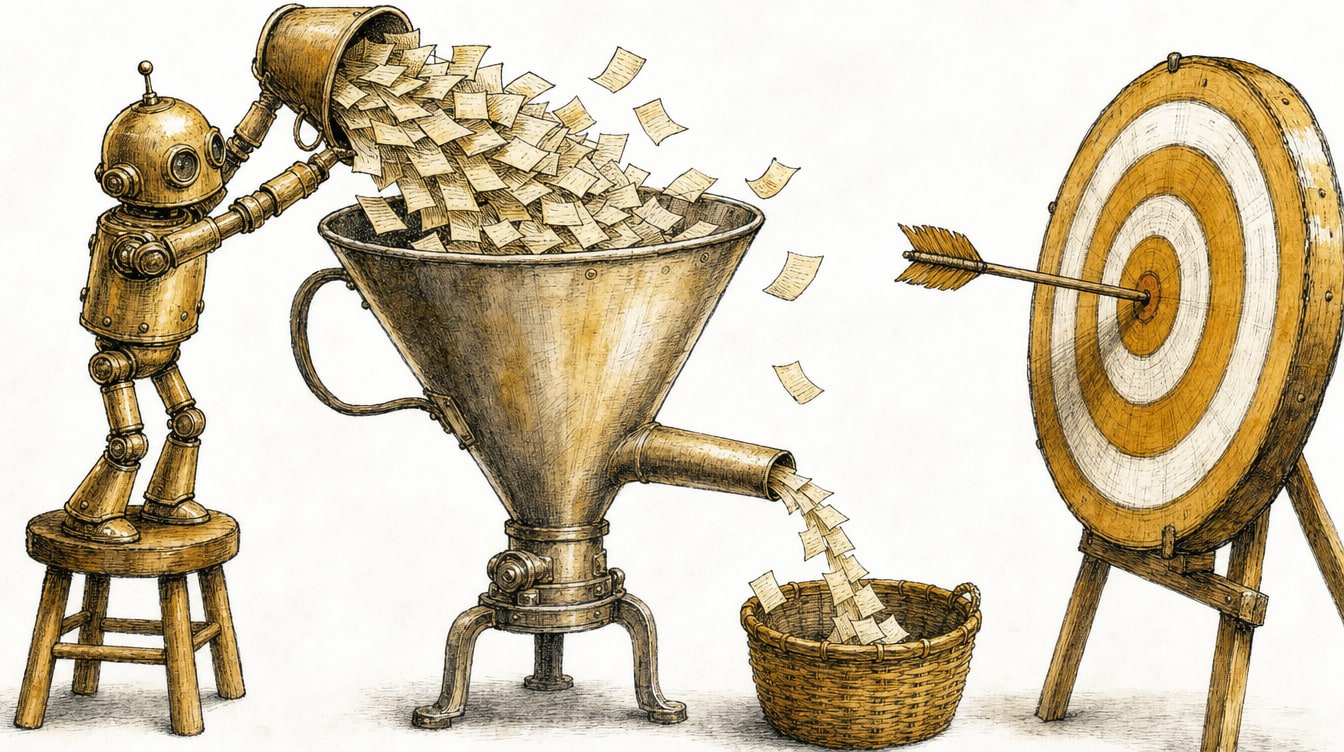
Lead magnets. A downloadable template, a short guide, or an exclusive data report placed behind the signup form measurably lifts conversion. The magnet has to match the newsletter's actual topic tightly — a mismatched freebie brings in low-intent subscribers who drag your open rate down within weeks.
Referral programs. Rewarding existing subscribers for inviting friends — with exclusive content, a badge, or a physical gift — is one of the cheapest organic growth loops available. A meaningful share of early growth at large newsletters like Morning Brew and The Hustle came from exactly this mechanism.
Cross-promo swaps. Partnering with a similarly sized, non-competing newsletter for a mutual shout-out gets you in front of an already relevant audience at close to zero cost. Built-in referral and recommendation networks on platforms like beehiiv and Substack have made this process largely self-serve.
If you are running these three tactics solo, AI-assisted workflows increasingly do the heavy lifting on content production and distribution; our guide to the solopreneur AI stack covers the broader toolkit.
The monetization ladder: from services to subscriptions
Most new newsletter owners jump straight to "I need a sponsor," but the sturdiest path usually runs in reverse order, starting with models that need fewer subscribers and carry higher margins.
Stage | Model | Typical subscriber count needed | Effort level |
|---|---|---|---|
1 | Services (consulting, freelance work) | Under 500 | High (one-to-one) |
2 | Sponsorships / ads | 2,000–10,000 | Medium (sales process) |
3 | Digital products (templates, courses, ebooks) | 3,000–15,000 | Medium (build once, sell repeatedly) |
4 | Paid subscriptions | 5,000+ engaged core readers | Low once set up, but demands ongoing output |
The logic behind this order: service revenue produces cash flow even with a tiny list, which keeps you fed while you write. Sponsorships only make sense once your list is large enough to earn an advertiser's attention. Digital products repackage content you have already written into a passive-income stream. Paid subscriptions carry the highest long-term value but demand the most trust and consistency — readers have to decide, month after month, that it is still worth paying for.
Here is my genuinely opinionated take: most new newsletter owners chase sponsorships too early and paid subscriptions too late. Sponsorships on a small list pay poorly and put your editorial independence at risk before you can afford to protect it. Paid subscriptions, on the other hand, can be tested earlier than most people assume — the first hundred genuinely loyal readers can be enough to validate a premium tier.
The free-plus-paid hybrid tier model
The most durable structure is not one model but a hybrid tier. The free tier is weekly, broadly accessible, and does the work of growing the list and building your brand — that is its job. The paid tier layers on something concretely additional: deeper analysis, archive access, community, or one-on-one input.
The critical mistake is starving the free tier to force conversions. That tactic can lift short-term paid signups, but it stalls growth of the free audience, which shrinks the future pool of people who could ever upgrade. The right balance keeps the free tier valuable on its own and positions the paid tier as "more," not as "the real content you're being denied."
The weekly-cadence sweet spot
Send frequency is the lever that balances open rate against subscriber fatigue. Daily sends can produce the highest raw engagement volume, but they exhaust most readers quickly and drive up unsubscribe rates. Monthly sends, on the other hand, are not frequent enough to build trust or habit — readers simply forget you exist.
Weekly cadence is the practical sweet spot between those extremes: frequent enough to build a real habit, manageable enough to protect content quality through a sustainable weekly research-and-write cycle. newsletter.supply's guide on open-rate benchmarks makes a similar point: a consistent, predictable schedule is a stronger long-term signal than any single viral send (source). If you want a simple starting point for subject-line testing, use this template:
Subject: [Number] + [Concrete benefit] — e.g., "3 tools that cut a 1-hour task to 5 minutes"
Preview text: A second, curiosity-driven line that does not restate the subject
For newsletters selling digital products, product-page copy quality directly affects conversion; we covered that in more depth in our guide to AI-generated Shopify product descriptions.
The 90-day launch-to-first-dollar plan
Days 1–30: Foundation. Nail down your niche and reader promise, build the signup page and a single lead magnet, and set a weekly send schedule. Your first 20–50 subscribers usually come from your personal network and social bios.
Days 31–60: Growth engine. Turn on a referral program and line up two or three cross-promo swaps with similarly sized newsletters. AI-assisted workflows can speed up content production and distribution here; our AI content marketing workflow guide offers a concrete framework for that.
Days 61–90: First revenue. Once your list reaches a few hundred subscribers, run your first monetization test: a small digital product, a consulting offer, or an early-supporter paid tier. Many solo creators report their first paid conversion landing somewhere in this first two-to-three-month window; promising an exact day count would be misleading, but the variable that actually matters is consistency and a clear offer, not raw subscriber count.
By the end of this window you should have three things: a growing list, a proven weekly cadence, and at least one validated revenue channel. For more strategy on this topic, browse our digital marketing category.
Frequently Asked Questions
What is the single most effective newsletter growth tactic?
There is no one magic tactic, but referral programs and cross-promo swaps together tend to deliver the highest return, since both get you in front of an already relevant audience at close to zero cost. A well-matched lead magnet then determines how much of that traffic actually converts into subscribers.
How many subscribers do I need before pitching sponsors?
There is no hard threshold, but the 2,000–10,000 active-subscriber range is where most niche sponsors start taking a pitch seriously. Below that, service revenue or a small digital product usually monetizes more efficiently than chasing sponsors.
Is weekly cadence really better than daily?
For engagement, yes, for most newsletters — weekly cadence reduces reader fatigue and makes it far easier to protect content quality. Daily sends only stay sustainable when the topic is very narrow and you have a team behind it, not a solo writer.
How should I balance the free and paid tiers?
The free tier needs to be valuable on its own, since it drives growth. The paid tier should add something concretely extra — depth, archive access, or community — rather than withholding basic value to force upgrades. Starving the free tier boosts short-term conversions but stalls long-term growth.