 @ahmetcantryk
6 min read
LLM Structured Outputs: JSON You Can Trust
Field notes on getting reliable JSON from an LLM: schema modes vs tool-calling, Zod/Pydantic validation at the boundary, and the failure modes that still bite.
Tag
Field notes on getting reliable JSON from an LLM: schema modes vs tool-calling, Zod/Pydantic validation at the boundary, and the failure modes that still bite.
Four levers — prompt caching, model routing, batch APIs, and context hygiene — stack to cut real LLM bills 50–70%, with a one-page cost-audit template.

A runtime shootout for running LLMs on your own hardware: Ollama for desktop dev, vLLM for high-throughput GPU serving, llama.cpp for portable quantized inference.
Five weekend-sized AI project ideas — RAG PDF Q&A, a multi-model playground, a PR-review agent, and a CSV analyzer — plus why one deep build beats ten demos.
A July 2026 decision framework for picking a frontier coding model: Claude Sonnet 5, GPT-5.6, and Gemini 3.5 compared on cost, context, throughput, and agentic benchmarks.
How to build a RAG system in 2026: chunking, embeddings, a vector database, hybrid search, Cohere Rerank 3.5, and grounded answers — with runnable code.
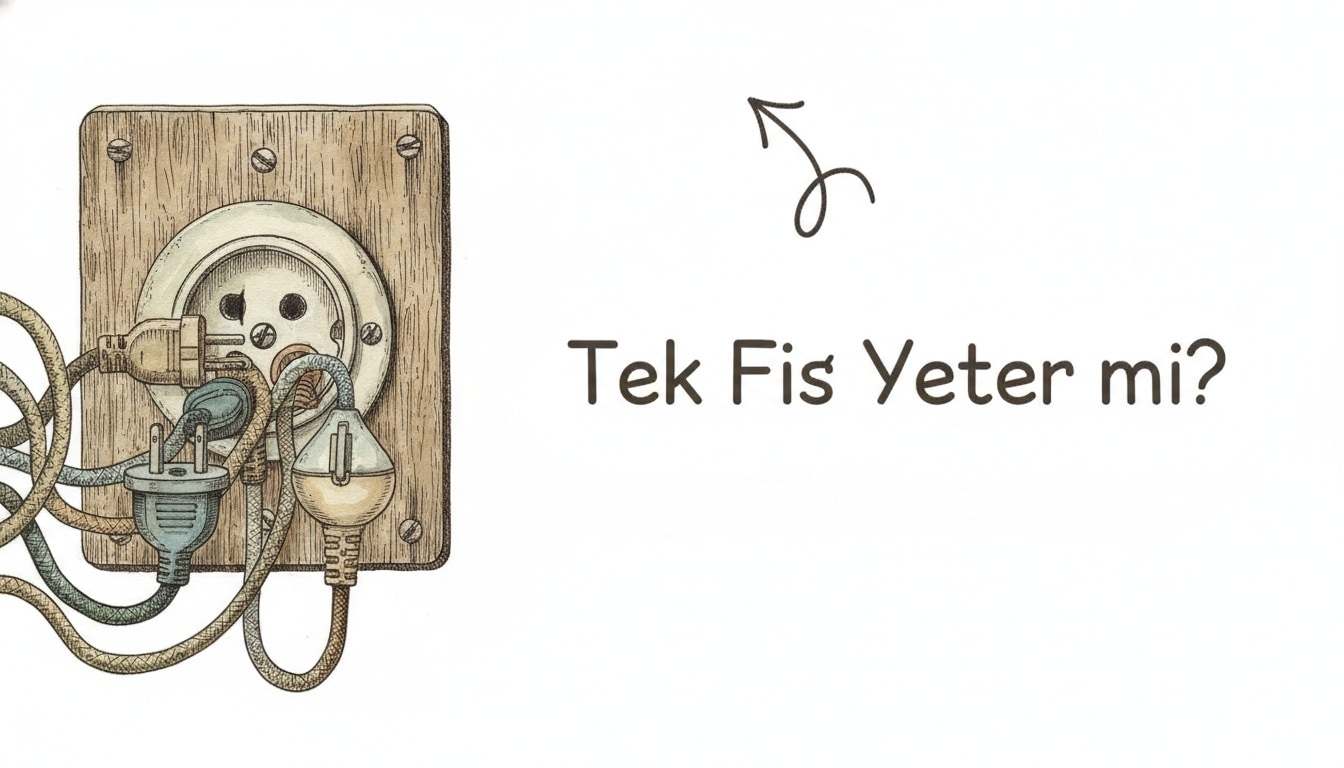
Model Context Protocol explained for 2026: MCP is now a Linux Foundation standard, and the July release candidate deletes the stateful session you learned.
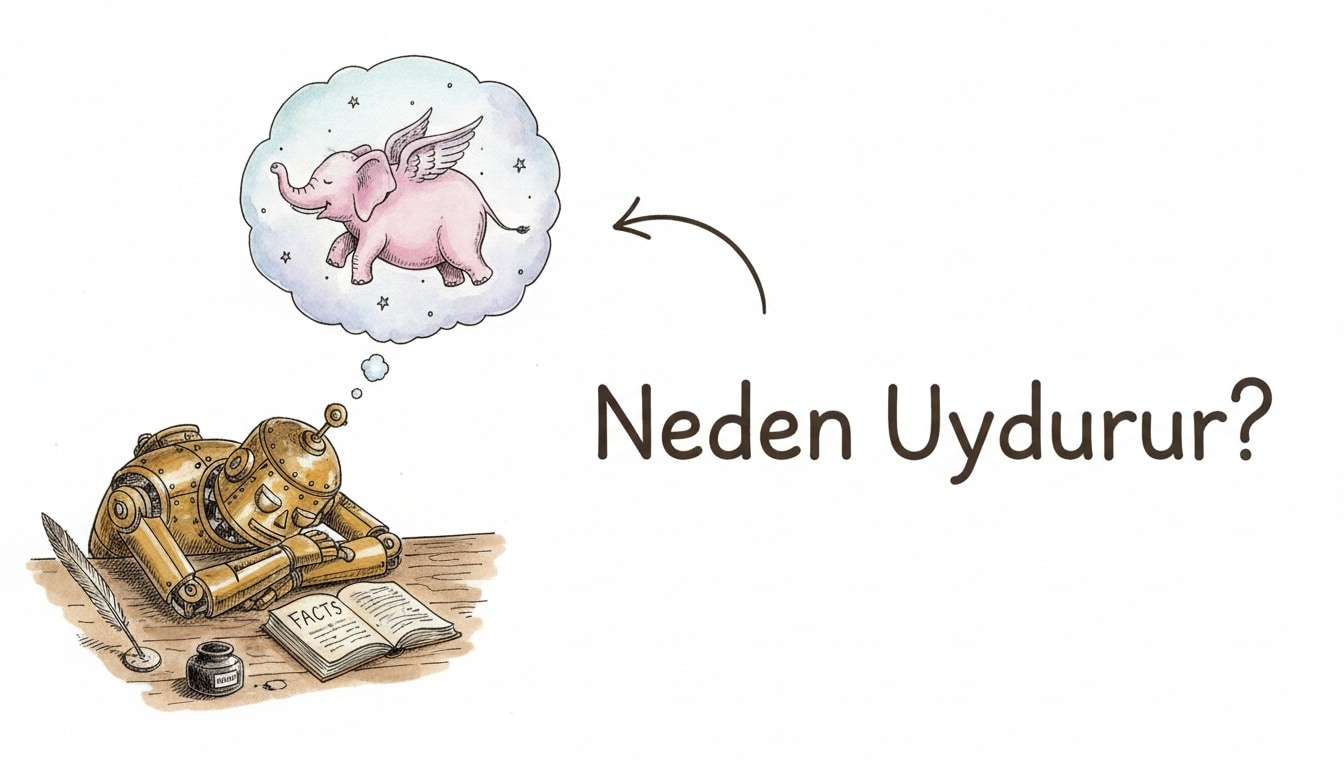
Reduce LLM hallucinations in production with grounding, confidence gating, strict structured output, and evals — plus 2026 numbers on why the pipeline wins.

The five prompt engineering patterns that carry most production LLM work in 2026: role priming, few-shot, chain-of-thought, structured output, self-check.