@ahmetcantryk
Standalone AI gadgets keep failing for structural reasons, not bad luck. Your phone already has a microphone, a camera, a translator app, and more compute than most AI pins pack — so a new device has to beat something that's already in your pocket, and most of them simply can't.
The Pattern: Battery, Latency, and the "Already Have This" Problem
Nearly every standalone AI device launched in the past three years hits the same three walls. Different companies, different form factors, different price points — pins, brooches, pendants, wristbands — and yet the outcome is remarkably repetitive: a hyped launch, a few months of glowing early reviews, then returns, souring user sentiment, and often the company itself shutting down or quietly discontinuing the product. That's not a story about individual teams failing; it's a story about a category demanding something nobody has actually solved yet.
Battery Life and Heat
Keeping a small, always-listening, always-transmitting device running for a full day is a physics problem before it's a software one. A pin or brooch that keeps its camera and microphone active, streaming audio to the cloud continuously, either dies within a few hours or runs hot enough to notice against your skin. No firmware update fixes that — it's the direct consequence of cramming an always-on AI workload into a battery too small to support it.
Latency: Ask and Wait
The second wall is latency. Most of these devices offload processing to the cloud: your voice travels out, a model runs somewhere else, and the answer comes back. That round trip — often a few full seconds — doesn't feel natural mid-conversation or on the street. Users end up pulling out their phone anyway, partly because the phone has the same latency but at least shows you what's happening on a screen while you wait.
The Phone Already Does This
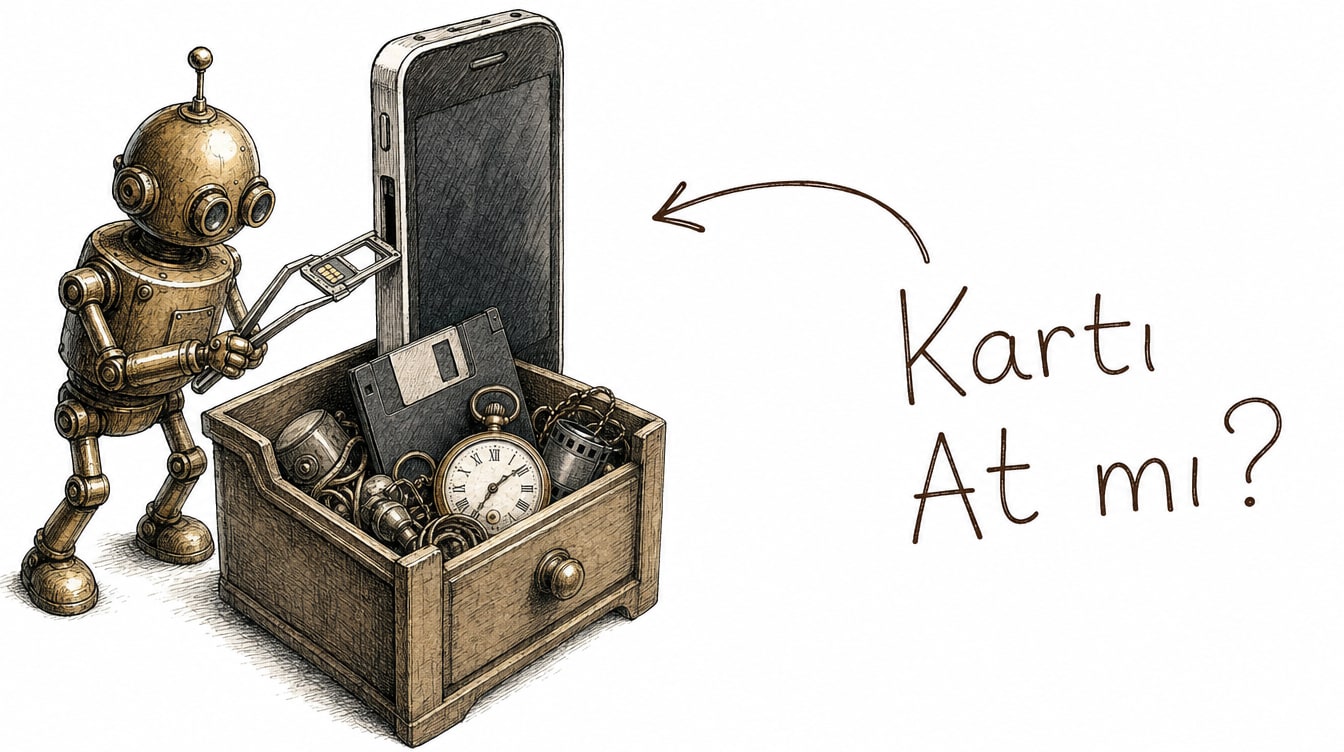
The third and most fundamental wall: nearly everything these devices promise, your phone already delivers. It has a microphone, a camera, a translation app, a voice assistant, and — in most cases — a faster processor than the gadget claiming to replace it. The Humane AI Pin is the clearest illustration. It launched as a screenless, context-aware wearable with enormous hype, and as the product's own site still frames it, most of its functionality depended on a cloud backend running behind the scenes. When that backend shut down, the device lost nearly all of its capability. Standalone hardware plus cloud dependency turned out to be the single biggest structural weakness in the category.
The Wrong Frame: "A Dedicated Device for the Assistant"
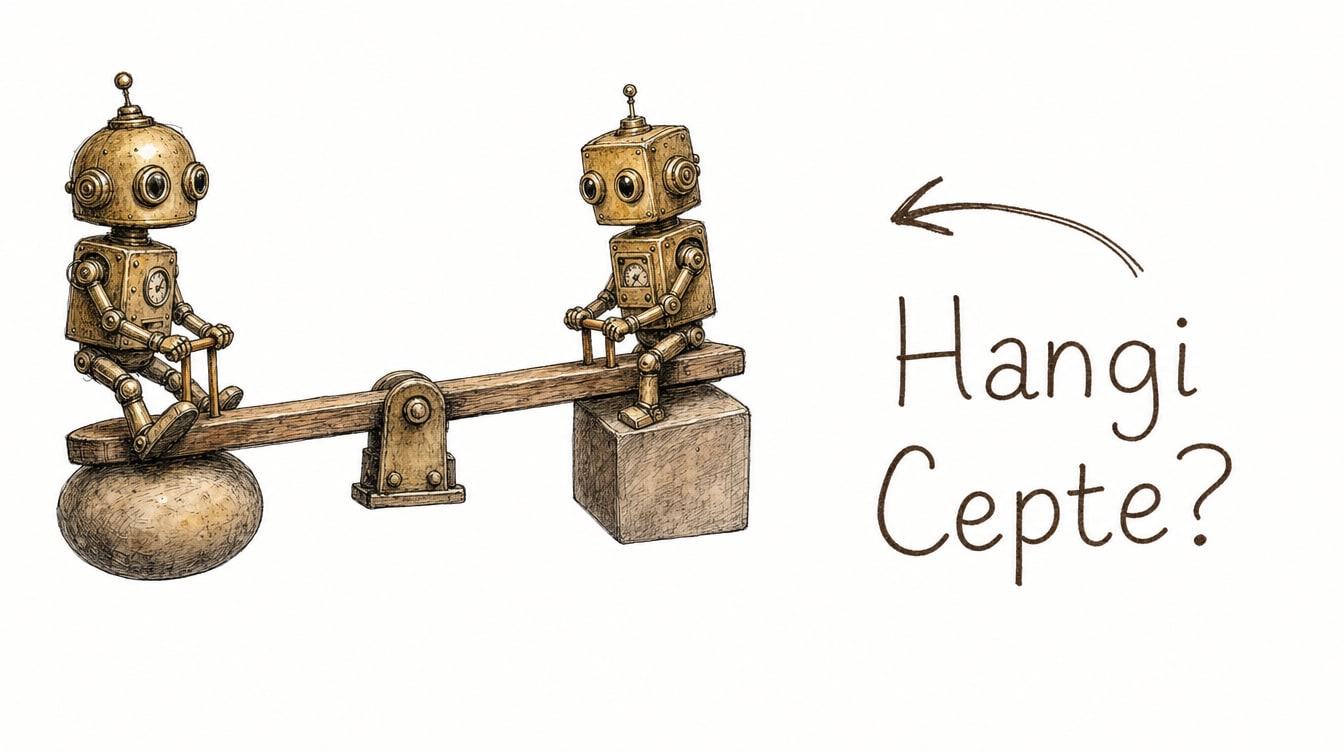
The deeper problem isn't that individual products were poorly designed — it's that the category started from a flawed premise. "A dedicated device for the assistant" is the wrong frame for most use cases. For a new hardware category to earn a place in your pocket, on your wrist, or on a charger by your bed, it needs to do one thing dramatically better than the phone already does it — not marginally better, dramatically better. Nearly every AI-pin-style product fails that bar, because what they offer — "talk, get an answer" — is already one tap away on the phone you're already carrying. Reducing friction slightly isn't enough to sell a new category; you need something otherwise impossible.
Where Dedicated AI Hardware Genuinely Wins
None of this means standalone AI hardware never works. The places it wins are specific, and they're worth calling out fairly.
Accessibility
For users who are blind, low-vision, or have limited hand mobility, a hands-free, voice-first device isn't a nice-to-have — it's the difference between independence and friction. Pulling out a phone and reading a screen is itself the barrier for these users, so dedicated hardware isn't making things "a bit easier" — it's making the task possible at all. This is one of the few places a dedicated device clears the bar cleanly.
Genuinely Hands-Free Moments
Driving, cooking, and exercising all make pulling out a phone physically awkward or unsafe. This is where earbuds and glasses win, because the competition isn't "grab your phone" — it's "do nothing." As we covered in our piece on AI earbuds and live translation, short, one-directional translation moments while traveling are genuinely more practical through an earbud than through a phone screen. AI smart glasses follow the same logic for navigation and quick-glance information — brief, eyes-up moments where the phone gets taken entirely out of the loop.
Chips Embedded Inside Existing Devices
The third and least-discussed winning category isn't a new device at all — it's dedicated AI chips (NPUs) built into hardware you already own. Phones, earbuds, and cars are categories you're already buying; adding a specialized processor lets AI run faster, locally, and without draining the battery on cloud round trips. As we detail in our AI PCs and NPUs explainer, this approach never asks you to adopt a new habit or buy a new category — it quietly improves the product you were going to buy anyway. Per IDC's MWC 2026 coverage, this is exactly where the industry's center of gravity moved in 2026: away from standalone AI devices and toward AI embedded in the ecosystems people already carry. The winners aren't selling a new category — they're orchestrating AI across the phone-earbud-car triangle people already own.
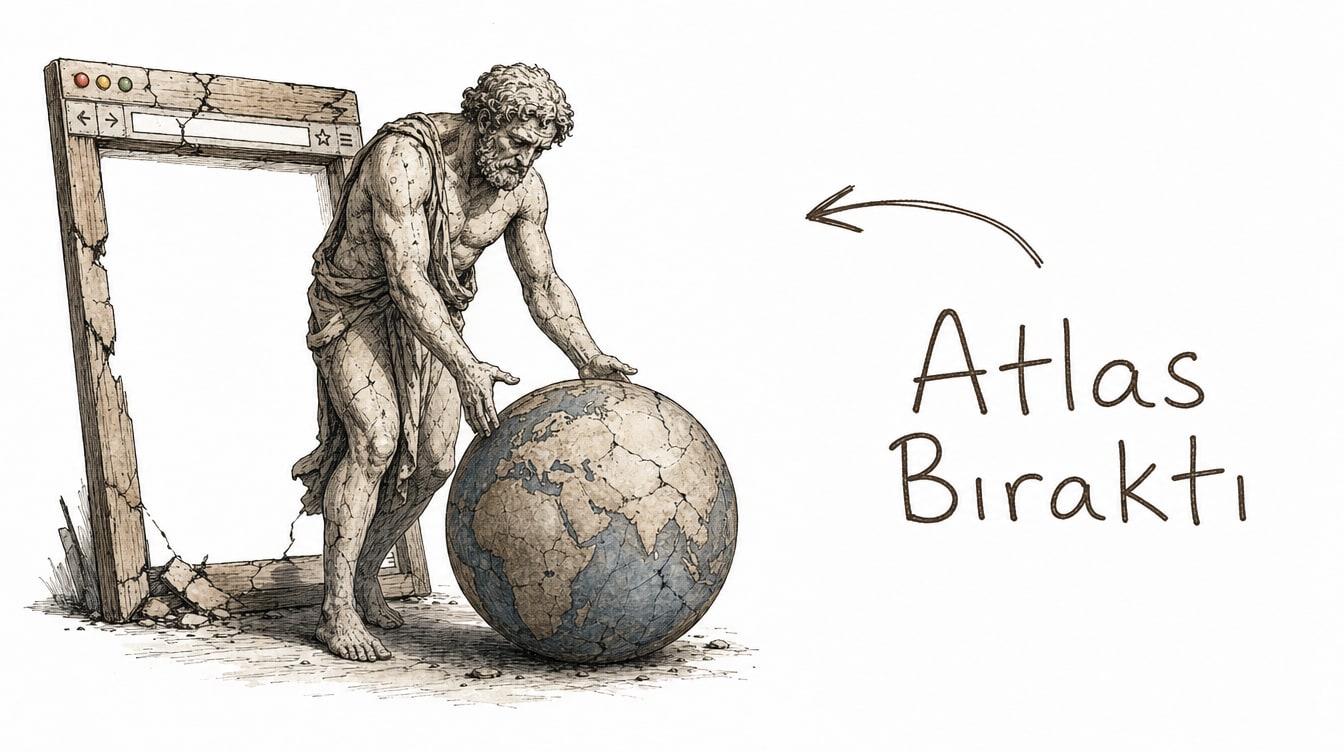
A parallel version of this pattern just played out in browsers. OpenAI positioned Atlas as a standalone AI browser, and its shutdown shows the same "bolt a new category onto an existing habit" strategy hitting the same wall — just in a different product form.
What to Buy in 2026 vs. What to Skip
As of August 2026, here's how the category shakes out, device by device:
Category | 2026 Reality | Verdict |
|---|---|---|
AI pin / brooch | Cloud-dependent, battery and latency unsolved | Skip |
Standalone voice assistant device | Duplicates what the phone already does, minimal upside | Skip |
AI smart glasses | Real navigation, translation, and hands-free use cases | Buy if your use case fits |
Earbuds with live translation | Genuinely useful for short, one-directional exchanges | Buy if you travel often |
AI PC / NPU-equipped laptop | Quietly embedded chip, real practical benefit | Default choice on any new purchase |
The practical takeaway: don't spend money in August 2026 on any device inventing a new category to duplicate what your phone already does. But if AI capability has been quietly built into a category you were already planning to buy — glasses, earbuds, a laptop — or it solves a moment when your hands are genuinely occupied (driving, cooking, the gym), that's a reasonable purchase. And if you have accessibility needs, the decision is already clear — dedicated hardware there isn't a luxury.
For more coverage of consumer hardware like this, browse our Technology category.
Frequently Asked Questions
Is any standalone AI hardware worth buying in 2026?
For most people, barely any. The clear exception is accessibility: dedicated voice-first hardware makes a real difference for users who are blind, low-vision, or have limited hand mobility. Outside of that, an "AI pin"-style device that duplicates what your phone already does isn't worth the money right now.
Why did the Humane AI Pin fail?
It launched as a screenless, context-aware assistant with major hype, but most of its functionality depended on a cloud backend running behind the scenes. When that backend shut down, the device lost nearly all of its capability — the clearest real-world example of standalone hardware failing because of cloud dependency.
What should I actually buy instead?
Favor products that embed AI into a category you're already buying: an NPU-equipped laptop, earbuds with live translation, or smart glasses with navigation. These don't ask you to learn a new habit — they improve a device you were purchasing anyway.
Why are AI glasses and earbuds a different category from AI pins?
Because their competition isn't "grab your phone" — it's "do nothing." When your hands are occupied driving, cooking, or exercising, a device you're already wearing is genuinely more practical than pulling a phone out of your pocket.