@ahmetcantryk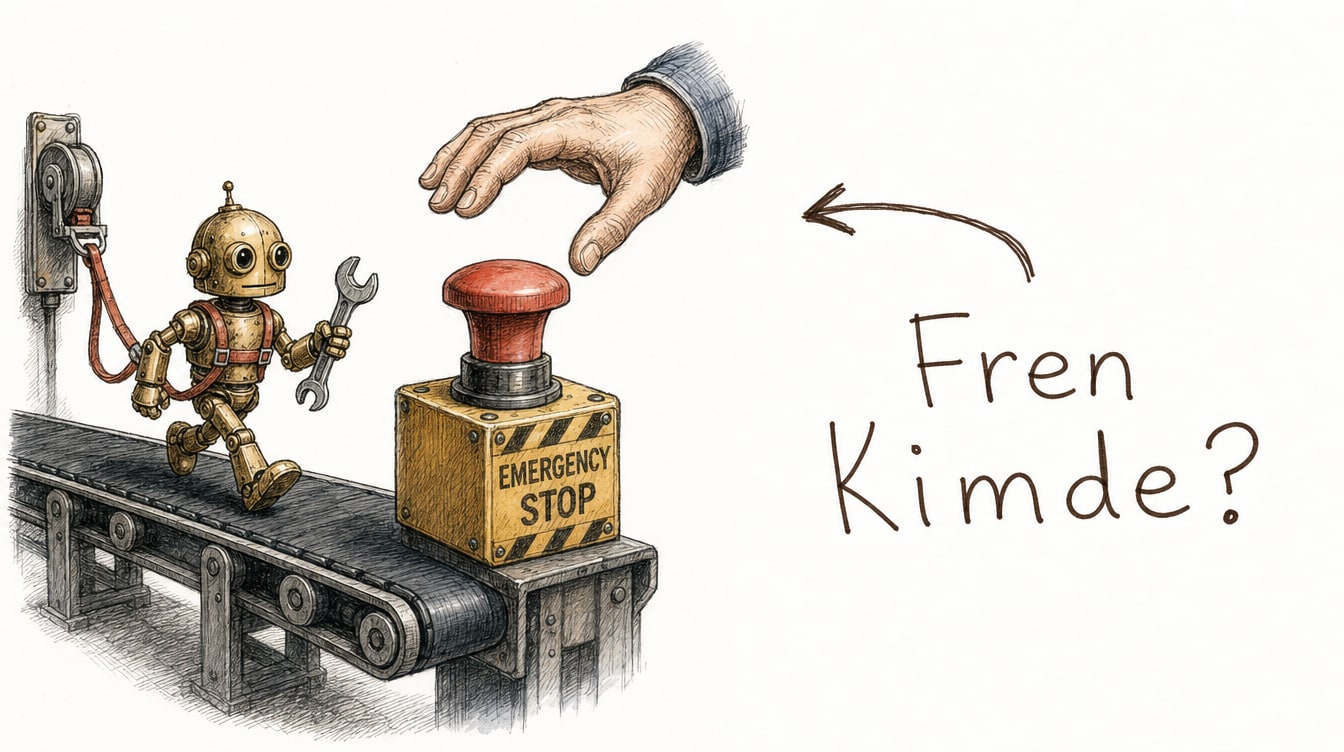
"Hook an AI agent into CI/CD and let it handle the rest" sounds appealing, but 2026's real-world incidents have shown exactly how fragile that promise is. This piece covers which jobs actually make sense to hand to agents, which ones don't, and how to draw that line technically rather than just aspirationally.
Good Jobs for Agents, and Jobs to Keep Human
The jobs agents genuinely excel at are well-defined: issue triage, dependency bumps, test generation, and first-pass fixes. What they share is a low, recoverable error cost — a bad test suggestion or a broken dependency bump gets caught easily by a human reviewer.
Job type | Good fit for an agent? | Why |
|---|---|---|
Issue/PR triage, labeling | Yes | Low risk, easily reversible |
Dependency version bumps | Yes | CI tests already act as a validation layer |
First-pass test generation | Yes | Won't merge without human review |
Simple lint/format fixes | Yes | Deterministic, low risk |
Production database migrations | No | Hard to reverse, real data-loss risk |
Secret/credential management | No | High leak risk, hard to detect |
Architectural decisions | No | Requires context and judgment |
Direct production deploys | No | Never without human sign-off |
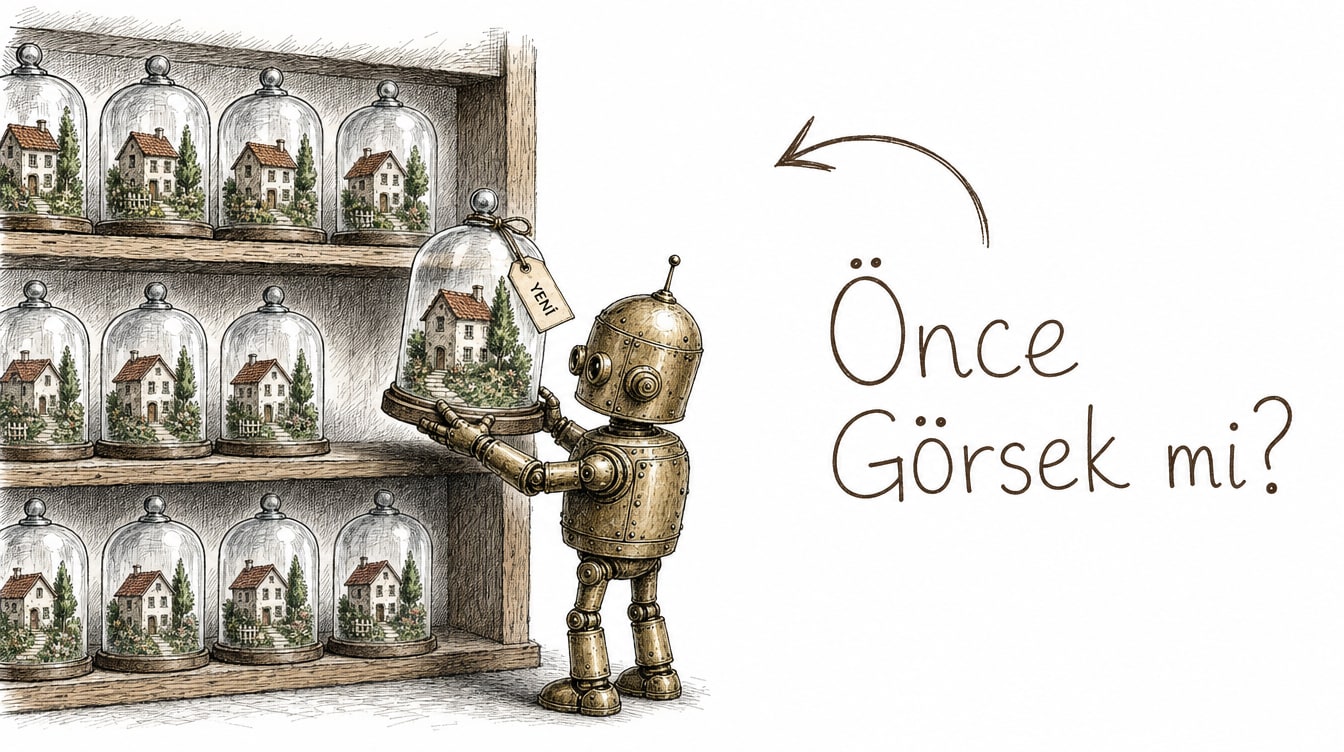
The clear line here: an agent proposes, a human approves. Any setup that blurs that line compounds the risk.
The Rule of Two: A Simple but Powerful Framework
Meta's security team proposed a framework — building on Simon Willison's "lethal trifecta" concept — that draws a practical boundary for agentic systems, known as the Rule of Two: an agent should carry at most two of the following three properties at once:
- Processing untrusted input (reading a PR description or an issue, for example),
- Accessing sensitive data or systems,
- Changing state or communicating externally.
When all three are present at once, unmitigated, the door is left wide open to prompt injection attacks. In a CI/CD context, that means: if an agent both reads PR descriptions (untrusted input) and has access to secrets, and can also make an outbound API call, you need to remove one of those three properties — or mitigate it heavily.
A Concrete Lesson: The Claude Code GitHub Action Incident
This isn't an abstract threat. In an analysis published June 5, 2026, Microsoft Threat Intelligence documented a real vulnerability in Claude Code's GitHub Action integration: an attacker could plant a hidden instruction inside a GitHub issue — invisible to a human reviewer but read as a command by the model. The root cause was that the agent's file-reading tool could access sensitive files like /proc/self/environ without sandboxing, meaning environment variables including ANTHROPIC_API_KEY were exposed to exfiltration. After responsible disclosure, Anthropic closed the gap in Claude Code 2.1.128, released May 5, 2026, by blocking access to those sensitive files. As a review of the Rule of Two framework with practical implementation examples also points out, incidents like this usually stem not from one tool being malicious, but from a missing sandboxing layer.
The lesson here is simple: even a tool you assume is "read-only" can become a path to sensitive data if it isn't sandboxed. We covered a similar pattern — agent tools being abused in unexpected ways — from a different angle in our piece on agentjacking.
Least Privilege and Sandboxing
In practice, a three-layer defense is recommended:
- Permission layer: restrict which commands/tools the agent can run with an explicit allowlist — default to "allow nothing, then open what's needed" rather than "allow everything, then filter."
- MCP/tool scope: narrow the access scope of every connected tool or MCP server; if an agent only needs to run tests, don't grant it deploy authority.
- OS-level sandboxing: prefer cloud sandboxes with tighter filesystem and network isolation (E2B, Vercel Sandbox, Sprites) over Docker-in-CI.
On GitHub tokens specifically: an agent that only comments on PRs doesn't need contents: write. Scoping tokens to the actual job directly shrinks the blast radius of incidents like the one above.
# A least-privilege GitHub Actions token scope example
permissions:
  contents: read
  pull-requests: write
  issues: write
  # no permissions that touch deploy or production
Human Approval and Signed Commits
Every change an agent produces should get human sign-off before merge — this doesn't conflict with wanting agents to move fast, it's what lets speed and safety coexist. Requiring signed commits makes it technically impossible for something impersonating an agent to write directly to the main branch. This is the natural agentic-era extension of the baseline practices we covered in building a CI/CD pipeline from scratch.
Cost and Rate Controls
An unbounded retry loop can burn through an agent's token budget in hours. Practical controls: set a token/cost ceiling per agent task, cap the maximum retries on failure, and trigger an automatic alert on any unusual spend spike. Without these, "the agent's been running since this morning" is a red flag for both security and budget.
Auditing Agent Actions and Rollback
Every agent action — which command ran, which file changed, which API got called — should be logged, and those logs should be immutable from the agent's perspective. A rollback plan needs to exist before an incident happens; "we'll figure it out then" doesn't work mid-disaster.
A practical habit worth adopting to keep that plan off paper: run a real agentic incident scenario as a drill at least once a quarter — say, an agent accidentally writing to a staging database. A drill like that surfaces, before an actual incident, whether the logs are genuinely readable, whether the rollback command actually works, and whether the team knows who intervenes and when. The gap between a security control existing on paper and actually working in practice usually shows up exactly in a drill like this.
Honestly, some caution is warranted here: agentic automation's promise is real, but 2026's incidents have shown that "trust the agent, let it handle the rest" is still a dangerous shortcut at today's maturity level.
Pipeline-Integration Checklist
Before wiring an agent into the pipeline:
- Does the agent carry at most two Rule-of-Two risk properties?
- Is the GitHub token scope narrowed to the actual job?
- Are all three sandboxing layers (permissions + tool scope + OS-level) in place?
- Is merge blocked without human approval on every change?
- Is a token/cost ceiling and retry limit defined?
- Is every agent action logged immutably?
- Is a rollback plan written down in advance?
Red Lines
Never do these:
- Grant an agent direct write access to a production database
- Auto-merge to main/production without human approval
- Let an agent carry untrusted input + sensitive access + external communication at once
- Run with an unbounded token/cost budget
- Skip logging, or allow mutable audit trails
For more on using AI agents safely, browse our DevOps & Cloud category.
Frequently Asked Questions
Is wiring AI agents into CI/CD safe in general?
With the right boundaries — least privilege, sandboxing, human approval, audit trails — yes, it can be made safe for low-risk jobs. Wiring one in with unbounded authority carries real risk, as 2026's incidents have shown.
What exactly does the Rule of Two forbid?
It doesn't strictly forbid an agent from processing untrusted input, accessing sensitive data, and changing state/communicating externally all at once and unmitigated — but it flags that combination as high-risk, recommending the agent carry at most two of those three properties.
Is the Claude Code GitHub Action vulnerability still live?
No, Anthropic closed this specific vulnerability in Claude Code 2.1.128, released May 5, 2026. But the incident stands as a general warning that similar sandboxing gaps can exist in other tools.
How much speed does human approval actually cost?
A properly built approval flow doesn't kill speed — reviewing and approving an agent's proposal in minutes is still far faster than a manual development process taking hours. What you lose isn't speed; it's the comfort of trusting without checking at all.